

Tampa keeps growing, and franchise brands have noticed. A quick search for franchise opportunities that Tampa investors can buy turns up directories with hundreds of brands, and every listing looks promising. The hard part is comparing them.
But how do you weigh a sub shop against a preschool when each one uses different numbers and makes different promises? A franchise fee on a listing page tells you very little about what you’ll really spend or how your days will look.
This guide gives you a side-by-side way to compare franchise categories in Tampa. You’ll also get a plain-language process for reading a Franchise Disclosure Document (FDD) and vetting a franchisor. We’ll use Ivy Kids’ own FDD figures as the worked example.
Key Takeaways
- Florida ranks second on IFA’s 2026 forecast list of top franchising states, and Hillsborough County’s population grew 7.8% between April 2020 and July 2025.
- Compare categories on total investment, recurring revenue, staffing, and your daily role. The franchise fee is only one line in the budget.
- Get the FDD at least 14 days before you sign, and read all 23 items.
- Childcare franchises cost more to open, but they run on recurring tuition and steady demand from working families.
- Talk to current franchisees and hire a franchise attorney before you commit.
Why Tampa Is a Strong Market for Franchise Investment
Franchise opportunities in Tampa span four main categories:
- Food and beverage
- Home and commercial services
- Fitness and wellness
- Early childhood education
All four share the same local tailwinds, including fast population growth in Hillsborough County and Florida’s place among the top states for franchising in 2026.
Start with the people. The Hillsborough County Census QuickFacts show a population estimate of 1,574,115 on July 1, 2025, up 7.8% since April 2020. The same Census table puts the county’s median household income at $79,540 in 2024 dollars.
For family-focused brands, this Census age data is worth considering: 5.4% of Hillsborough County residents are under age 5. The Census also reports that 60.7% of women 16 and older are in the civilian labor force (2020–2024 survey). That points to many households that need care during the workday.
The statewide picture adds to the case that franchising makes sense. The IFA 2026 Franchising Economic Outlook forecast lists Texas, Florida, Georgia, Arizona, North Carolina, Colorado, Michigan, Utah, Ohio, and Maryland as 2026’s fastest-growing franchising states. Florida sits second, behind only Texas.
IFA’s 2026 outlook key findings report that "The Southeast region accounts for the largest share (nearly 30%) of all U.S. franchised businesses." Keep in mind that the IFA figures are national and regional forecasts. They describe the business climate around Tampa. They can’t predict how any one business will do.
Most people begin their franchise journey with a search like "business opportunities Tampa FL" and land on a long directory. Growth explains why that directory is so full. But it doesn’t tell you which category fits you, and that’s the next question to answer.
Comparing Franchise Categories in Tampa
A growing market gives you options, but each category makes money in its own way. The franchises for sale in Tampa that look similar on a directory page can ask very different things of you once the doors open.
The table below compares four common categories on the factors that shape your investment and your daily life. It’s qualitative on purpose, since startup costs vary by brand and you’ll find exact figures in each franchisor’s FDD. Use it as a first filter before you look at any single franchise for sale in Tampa FL.
|
Category |
Startup Cost Profile |
Revenue Model |
Staffing Needs |
Owner Role |
Main Demand Driver |
|---|---|---|---|---|---|
|
Food and Beverage |
Moderate to high, with kitchen build-out and equipment |
Per-transaction sales |
Large hourly team |
Hands-on, with nights and weekends |
Dining traffic and tourism |
|
Home and Commercial Services |
Often lower, with vehicles and equipment |
Job-based sales, some repeat contracts |
Small field crews |
Sales and scheduling |
Housing market and property upkeep |
|
Fitness and Wellness |
Moderate to high, with studio build-out and equipment |
Monthly memberships |
Trainers and front-desk staff |
Member growth and retention |
Local interest in health and fitness |
|
Early Childhood Education |
Higher, with a purpose-built center or major lease build-out |
Recurring weekly or monthly tuition |
Licensed teachers and a center leadership team |
Owner/operator guiding a director-led team |
Working families with young children |
National forecasts point to two of these rows. The IFA outlook, for example, says "Child services and commercial and residential services are expected to be the fastest growing industries" in 2026. That is a national forecast, so treat it as context for Tampa and test it against your own local research.
Food and Beverage Franchises
Restaurants are the franchise opportunity Tampa residents see most often. Tourism and local dining give food brands a broad customer base. The tradeoff is margin, because food and labor costs take a bite out of every sale.
Volume matters. Owners often work long hours, including nights and weekends. At the same time, turnover is high: BLS JOLTS data show accommodation and food services averaged a 4.2% monthly quits rate in 2025, versus 2.0% across all industries. This category suits people who enjoy a fast pace and want to manage a large team.
Home and Commercial Services Franchises
Home and commercial services include brands such as cleaning and lawn care. Many run from a van and a home office, so the investment is often lower because there’s no storefront to build.
Demand often follows the housing market. For remodeling, Harvard’s Joint Center for Housing Studies reports that "Remodeling trends closely track the health of the broader housing market." That research covers remodeling, so treat it as a loose guide for cleaning or lawn care brands.
This is the second category the IFA forecast singled out for 2026. The catch is that revenue arrives job by job. You’ll spend much of your time on sales and scheduling, and you’ll need service contracts to build repeat income.
Fitness and Wellness Franchises
Fitness franchises run on memberships, which gives owners a monthly revenue base. Members can cancel, though, and fitness is a crowded category in most metro areas.
Because members can cancel, owners put much of their energy into member retention. Before you buy, check Item 20 for owner turnover and ask current owners how they keep members coming back.
Early Childhood Education Franchises
Early childhood education follows a different pattern. Families enroll for months or years, and tuition recurs weekly or monthly. Demand comes from working parents who need reliable care during the day.
The Child Care Aware price analysis puts Florida’s statewide average for center-based infant care at $13,011 a year. That 2024 analysis draws on Florida’s most recent market rate survey, so it reflects the whole state rather than Tampa pricing. The group’s newer 2025 Price & Supply report put the national average price of child care at $13,184 in 2025.
Supply is tight across the country, too. The Center for American Progress is a policy research group with an advocacy stance. Its national research on licensed child care deserts found that "Forty-six percent of young children nationwide live in licensed child care deserts."
CAP defines a desert as an area with more than three young children for every licensed slot. That figure is national and doesn’t describe Tampa specifically, so a local market study is the right next step for any site.
The tradeoffs are real. Childcare centers must meet state licensing and safety requirements, and the upfront investment is large because centers need purpose-built space. In return, you get a business rooted in long relationships with local families.
"Parents shop for childcare very differently than they shop for lunch. They tour and ask hard questions about safety, and once they trust you, they stay with you for years," said Dick Ren, Director of Franchise Development at Ivy Kids.
A category can look right on paper and still fail your budget. That’s why the numbers come next.
Understanding Franchise Costs Before You Buy
Once a category looks right, the numbers decide whether it works for you. A "franchise for sale Tampa" listing usually leads with the franchise fee. That fee buys the right to use the brand and its system, and it’s only the first part of the bill.
The bigger number is the total estimated initial investment, found in Item 7 of the FDD. It covers real estate or lease costs, build-out, equipment, and opening supplies. It also includes additional funds, which is working capital to cover expenses while the business ramps up.
After opening, most franchisors charge a royalty based on a percentage of sales, plus a contribution to a brand advertising fund. These fees appear in Item 6 along with other recurring charges. Read that item closely for costs that are easy to miss, such as technology fees and required local marketing spend.
Small fees add up over the length of a franchise agreement. A 1% difference in a royalty, paid every month for decades, can change your long-term plan. That’s why you should compare ongoing fees as carefully as the opening check.
Here’s how this looks in a real document. Ivy Kids’ 2026 Franchise Disclosure Document lists the following figures:
- The initial franchise fee is $125,000 (Item 5).
- The royalty is 7% of Gross Sales (Item 6).
- The advertising obligation is 1.5% of Gross Sales (Item 6).
- The total estimated initial investment under the Long Term Lease Program is $1,102,000 to $1,540,500 (Item 7).
- The total estimated initial investment under the Prototype Real Estate Ownership Program is $5,500,000 to $6,790,000 (Item 7).
- Qualifying veterans receive a $30,000 VetFran discount off the franchise fee (Item 5).
The gap between the two programs comes down to real estate. Under the lease program, you rent the building, while the ownership program includes owning the property for a prototype center. The same FDD sets a 25-year initial term, which is why the ongoing fees deserve as much attention as the upfront costs.
You can see each cost category in the Ivy Kids investment breakdown. Few owners pay for a center entirely in cash. Review franchise financing options early and talk to lenders before you commit to a site.
None of these figures predict what a center will earn. For any sales or earnings information, read the franchisor’s Item 19 and ask current owners about their experience.
How to Research and Vet a Tampa Franchise
Costs on paper only matter if the franchisor behind them is solid. Vetting is how you test that, and the steps are the same for any of the franchise opportunities in Tampa FL you’re weighing.
Federal rules give you time to study. Under the Franchise Rule, you must receive the FDD at least 14 days before you sign a contract or pay the franchisor any money. The FTC’s guide to buying a franchise puts its main advice plainly: "Read each of the 23 numbered ‘Items’ in the FDD."
Every item matters, but four of them answer the questions most first-time buyers ask:
- Item 7 estimates your total initial investment, including additional funds for the opening period.
- Item 19 holds any sales or earnings claims the franchisor chooses to make, and the FTC notes most franchisors include one.
- Item 20 shows charts of system growth and owner turnover, along with franchisee contact lists.
- Item 21 provides the franchisor’s three most recent audited annual financial statements.
Item 20 leads to your most useful step, which is calling owners. The FTC guide says talking to current and former franchisees "may be the most reliable way to verify the franchisor’s claims." Ask how close their actual costs came to the Item 7 estimate and what support looked like after opening.
Next, bring in professionals. Hire a franchise attorney to review the agreement and an accountant to test the numbers against your finances. The FTC guide also warns that "Some franchises never break even," so build a plan that can handle a slow start.
Finally, match the business to your life. Decide how involved you want to be each day and how much capital you can commit without straining your finances. If community impact matters to you, give that real weight in your decision.
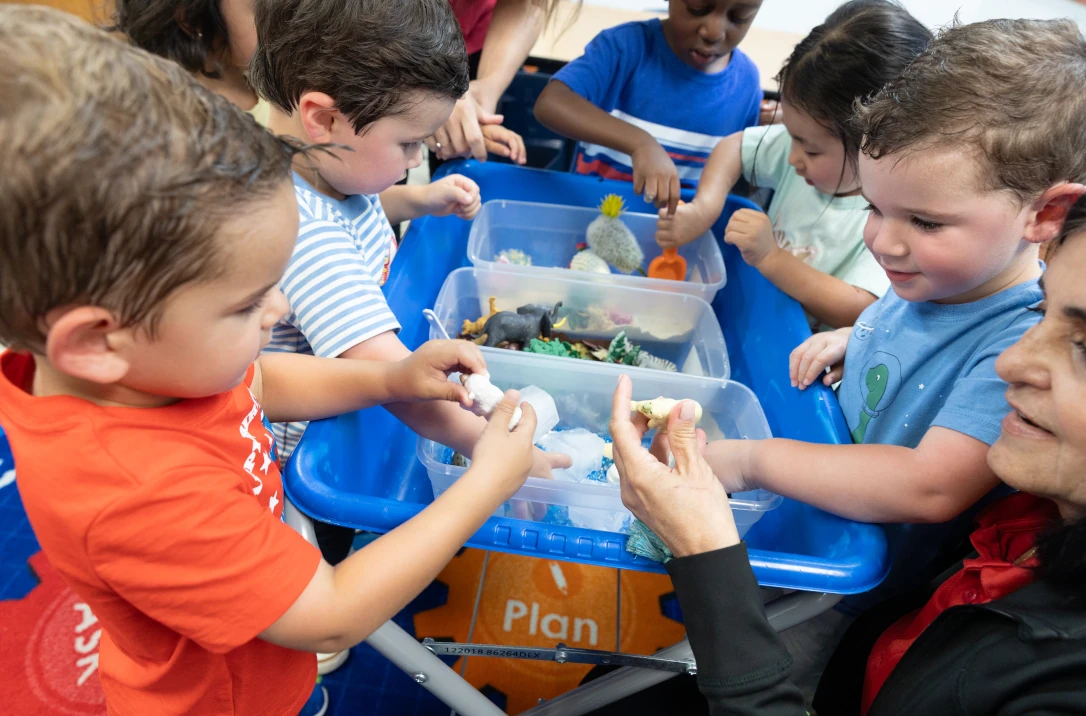
What Franchisor Support Should Look Like
Vetting tells you whether a franchisor keeps its promises. Support is what those promises are, so it helps to know what good support includes before you compare brands.
Strong franchisor support usually covers four areas:
- Training should prepare the owner and key managers before opening, both in a classroom and on site.
- Site selection help should include demographic research and guidance through permits and construction.
- Marketing support should include a grand opening plan, plus ongoing digital and local campaigns.
- Field support should give you a dedicated contact and regular performance reviews after launch.
Here’s how Ivy Kids approaches it. Our founders have operated Ivy Kids Learning Centers for more than 20 years, and we still own and operate those locations today. That history shapes our training and support program, which includes in-person training at Ivy Kids headquarters plus two weeks of on-site assistance around your opening.
After opening, you receive scheduled visits from the franchise support team as your center grows.
Location is the next big decision. Our real estate and site selection support includes demographic studies, feasibility period support, permit guidance, and building and construction management training. In a growing county like Hillsborough, that research helps you find the neighborhoods where young families live and work.
Inside the center, our Cognia-accredited MultiPrep curriculum is inspired by Dr. Howard Gardner’s theory of multiple intelligences. It uses hands-on activities across eight areas of learning. Through our Brain Bites Nutrition Program, each center has an on-site, culinary-certified chef who prepares two meals and two snacks daily.
Safety is a primary focus at each location. Our safety and security features include real-time video monitoring for parents and auto-lock doors and gates. The model also defines roles such as Center Director and Center Education Director, so a professional team handles daily operations while you lead the business.
"We still run our own centers, so the advice you get comes from people who face the same staffing and enrollment questions you will. When you call your support team, you’re talking to someone who has solved that problem before," said Amyn Bandali, CEO of Ivy Kids.
Frequently Asked Questions About Franchise Opportunities in Tampa
What is the best franchise to open in Florida?
The best franchise is the one that fits your budget and the role you want to play each day. Nationally, IFA’s 2026 forecast expects child services and commercial and residential services to be the fastest-growing franchise industries.
What franchise can I start with $50,000?
Most childcare franchises, including Ivy Kids, require far more than $50,000 because centers need licensed space and a trained staff before opening. Lower-cost franchises tend to include home-service or mobile concepts. That said, most franchises require liquid capital that exceeds $50,000 to account for operating expenses as you build your business.
What are the minimum financial requirements to become a franchisee in Tampa?
Each franchisor sets its own minimums, and Ivy Kids looks for candidates with at least $400,000 in liquid capital for the lease model. That is separate from total investment, which Ivy Kids’ 2026 Franchise Disclosure Document puts at $1,102,000 to $1,540,500 under the Long Term Lease Program.
What ongoing royalty fees do Tampa franchises typically charge?
Royalties vary by brand and are usually a percentage of sales, so check Item 6 of each FDD for the exact rate. As one example, Ivy Kids’ 2026 Franchise Disclosure Document lists a 7% royalty and a 1.5% advertising obligation, both based on Gross Sales.
How long does it take to open a franchise in Tampa?
Timing depends on the category, and childcare centers usually take longer because of site work and state licensing. Our timeline to open a center walks through each stage for an early education franchise.
Do I need prior business experience to own a franchise in Tampa?
Many franchisors train owners who are new to their industry, though strong leadership and management skills are necessary for success. Learn what makes an ideal Ivy Kids candidate, including a passion for working with children and a commitment to the owner/operator role.
Are there incentives for opening multiple locations?
Ivy Kids offers existing franchisees a 15% discount on the franchise fee for a second center. Area Development fees are $75,000 for the second center and $60,000 for each additional center.
Find the Right Franchise Fit in Tampa
Franchise opportunities in Tampa give you plenty of choices, and the right one starts with a fair comparison. Weigh each category on total investment and daily role, then read every FDD item and call the owners who have already done it.
If you want a business built on family relationships and recurring tuition, early childhood education deserves a close look. Ivy Kids offers a premium, academically focused preschool and childcare franchise, led by founders who still run their own centers. Explore the Ivy Kids franchise opportunity to see how the model works.
Ready to talk about bringing an Ivy Kids center to Tampa? Contact us today.